
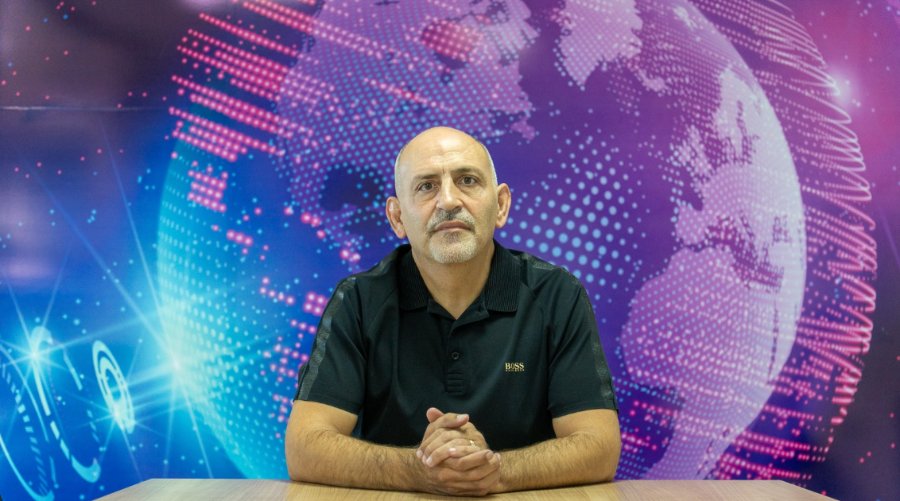
In an interview with Financial Services Review APAC, Hakan Törehan, CEO of Metaterra, shares his view on how trust, practical utility, and a seamless user experience are shaping the future of global payments and crypto-backed credit.
Törehan argues that the real question is no longer whether blockchain and digital assets will integrate with the mainstream economy, but how these systems can become scalable, secure, and genuinely practical for everyday financial activity. He points to a growing convergence between traditional financial infrastructure and decentralized technology.
The next generation of payment platforms, he suggests, will pair the regulatory strength and usability of traditional finance with the speed, accessibility, and transparency native to blockchain. The result: faster transactions, wider access, and new forms of financial participation that don’t require users to understand the technology underneath.
Crypto credit stands out as one of the most promising parts of this shift. By using digital assets as collateral, crypto-credit platforms can build new liquidity models that operate beyond geographic borders and outside conventional credit-scoring systems.
Törehan also highlights the potential of on-chain data — transaction patterns, protocol activity, and wallet behavior — to build a transparent form of “on-chain reputation.” At the same time, he stresses that volatility, regulatory compliance, and user trust all need to be addressed together for the model to see wide adoption.
In Törehan’s view, the future of finance won’t be defined by blockchain alone, nor by traditional banking alone — it will be shaped by platforms that bring trust, practical utility, and a seamless user experience together in one ecosystem.
Source: Financial Services Review APAC – interview with Hakan Törehan.
This is a republished article and is not the property of Bellator Team Scandinavia.
The article is owned and published by MetaTerra Holdings.
The article was published 2026-07-01.
For further info, please read the full article here.