
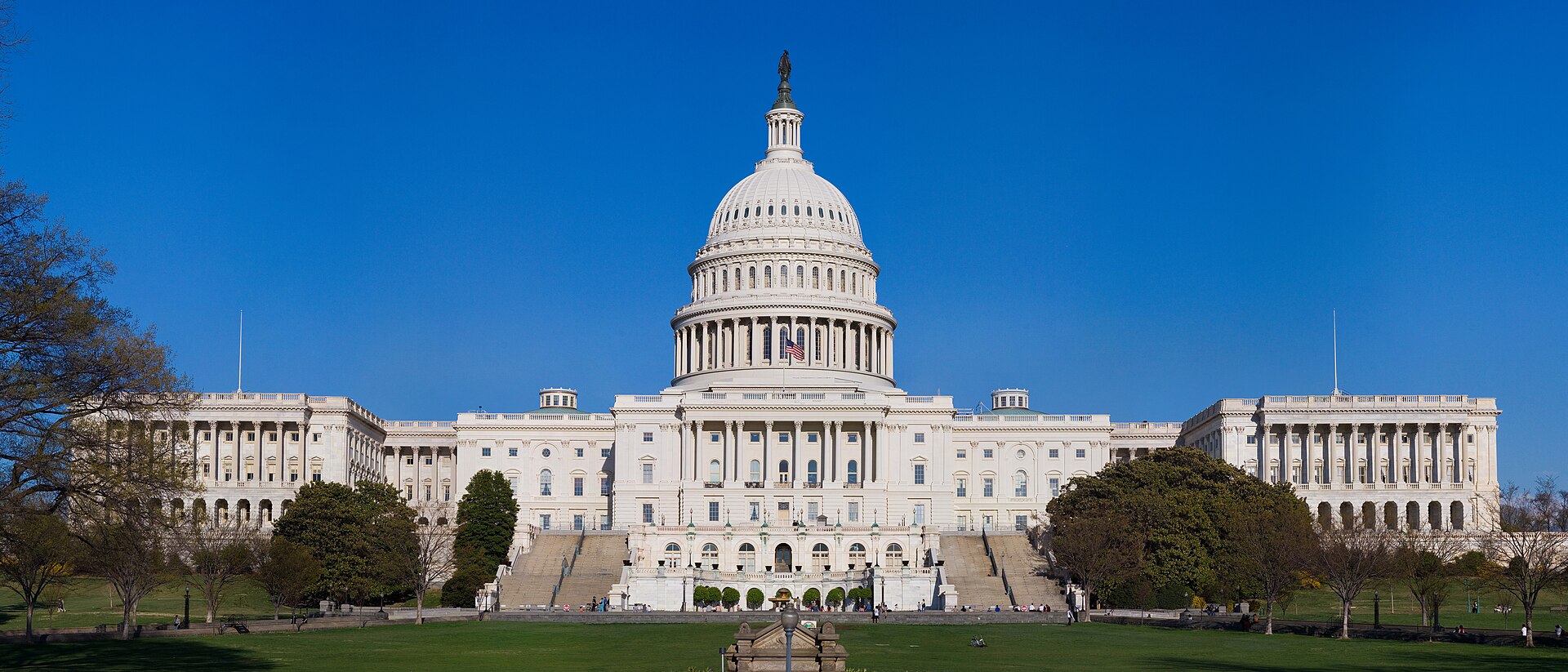
On July 17, 2025, the US House of Representatives passed the CLARITY Act (Digital Asset Market Clarity Act) — the same bill that would later fail a decisive Senate vote in September 2026. The House vote passed 294–134, with support from both parties.
What the bill does
The CLARITY Act divides digital assets into three categories — “digital commodities,” “investment contract assets,” and regulated payment stablecoins — and splits regulatory oversight between the Securities and Exchange Commission (SEC) and the Commodity Futures Trading Commission (CFTC). The goal is to resolve years of jurisdictional ambiguity that had long been seen as an obstacle for legitimate industry participants.
How it was received
The crypto industry largely welcomed the bill, since it shifts primary oversight of secondary-market trading from the SEC to the CFTC — an arrangement most industry participants preferred. Traditional financial institutions also welcomed clearer rules on custody and balance-sheet treatment of digital assets. Critics, including consumer advocates and some former regulators, warned that the CFTC might lack the resources to oversee retail-facing platforms, and that the bill risked weakening investor protections.
The path to the Senate
After passing the House, the bill moved to the Senate, where Banking Committee Chairman Tim Scott aimed to complete market structure legislation by the fall of 2025. However, the Senate Banking Committee introduced a competing framework with a greater focus on SEC authority, making the path forward less certain. It would take until September 2026 for the bill to reach a decisive Senate vote — a vote that ultimately failed.
Why it matters: the House’s approval in July 2025 was the starting point for a process that would shape US crypto regulation for more than a year. Understanding how the bill once won broad support provides important context for why the Senate’s decision in September 2026 drew so much attention. This is general news information, not financial advice.
Sources: Congress.gov, Arnold & Porter, office of Congressman Don Davis (July 2025).